How to Create a Love Song
A practical, repeatable process from blank page to finished song.
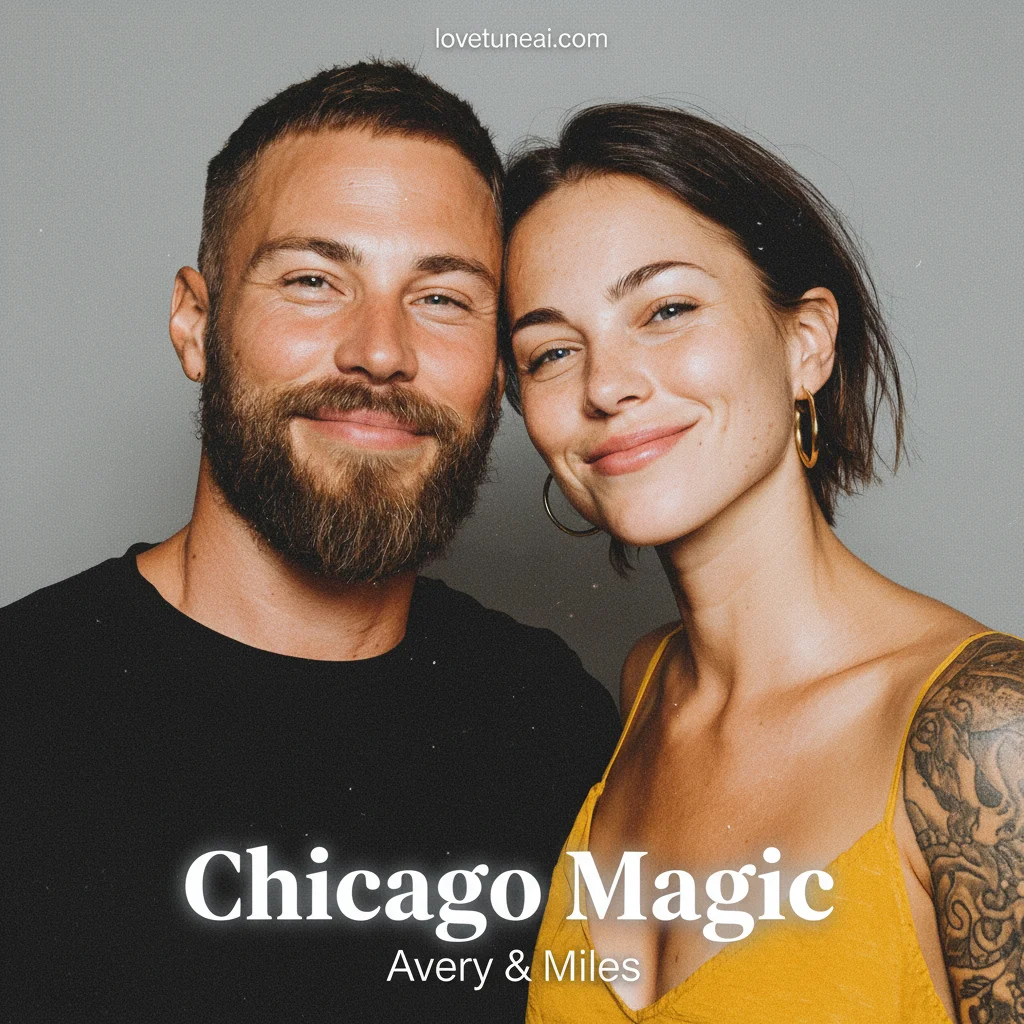
If you are wondering how to create a love song, the hard part is usually not music theory. It is saying something real without sounding generic. The best songs feel simple, specific, and emotionally clear.
1. Start With One Message, Not 20 Ideas
Before writing a single line, decide your core message. Examples:
Gratitude: "Thank you for choosing me every day."
Commitment: "I will stay through every season."
Celebration: "Our story keeps getting better."
Reconnection: "We made it through and found each other again."
When the message is clear, every verse has direction.
2. Collect Details That Only You Would Know
Generic line: "You make me happy."
Specific line: "You still dance in the kitchen while the coffee is brewing."
Write down 3-5 details in this format:
Place: Where a key moment happened.
Action: What one of you did.
Emotion: How it felt in that moment.
These details make songs feel personal instead of interchangeable.
3. Use a Simple Song Structure
A reliable beginner structure is:
Verse 1: How your story starts.
Chorus: Your main message.
Verse 2: What changed and what grew.
Bridge: The future promise or emotional peak.
Final Chorus: Strongest version of the message.
You do not need complex arrangement to create emotional impact.
4. Choose Genre After Emotion
Pick style based on the feeling you want:
Acoustic/Piano: intimate and honest.
Pop: warm, bright, and catchy.
R&B/Soul: emotional and smooth.
Indie/Folk: reflective and narrative-driven.
Genre should amplify your message, not distract from it.
5. Prompt Template for Better Lyrics
Use this if you create lyrics with AI:
Context: "Write a romantic song for my partner."
Names: "My name is Sam, partner is Riley."
Moments: "Met in college library, first trip to Rome, Sunday market routine."
Message: "I am grateful and committed."
Tone: "Warm, sincere, not cheesy."
Target structure: "2 verses, chorus, bridge, final chorus."
Specific input prevents bland lyrics.
6. Rewrite for Singability
After your first draft, read the lyrics out loud. If a line feels awkward to speak, it will usually feel awkward to sing.
Quick edit rules:
Cut long sentences: one idea per line.
Prefer concrete words: "street", "train", "rain" over abstract phrasing.
Keep chorus short: 2-4 lines that repeat easily.
Avoid heavy rhyme pressure: natural language beats forced rhyme.
7. Add One Emotional Peak in the Bridge
The bridge is where many songs become memorable. Use it for your strongest promise or turning point.
Bridge example starters:
"When everything was uncertain, you stayed."
"If life changes tomorrow, I still choose you."
"All the noise gets quiet when you are close."
Keep bridge lines emotionally direct and concise.
8. Plan the Reveal, Not Just the Song
A good reveal doubles impact:
Private moment: Play it after a personal letter.
Dinner: Share it before dessert with a short intro.
Anniversary: Pair song with printed lyrics.
Long distance: Song + voice note + memory photos.
People remember the moment around the song as much as the song itself.
9. Final Quality Checklist
Before finalizing, ask:
Does this sound like us?
Are there at least three real details?
Is the chorus easy to remember?
Is the message clear after one listen?
If yes, you are ready to create your final version.
Step-by-Step Checklist
How to Create a Love Song FAQ
What is the easiest structure for a beginner love song?
Verse-Chorus-Verse-Chorus-Bridge-Chorus is the simplest strong structure for most personalized songs.
How many personal details should I include in lyrics?
Three to five clear details are usually ideal. Enough to feel specific, not so many that the song feels crowded.
Should I write lyrics first or choose genre first?
Set emotional direction first, then choose genre that supports it.
How do I make AI-generated lyrics sound less generic?
Give specific input: names, places, memories, and one clear message. Vague prompts create vague songs.
What is a good length for a personalized love song?
Most songs work best at 2.5 to 3.5 minutes with a concise chorus and one emotional bridge.